Ludwig van Beethoven and Bruce Springsteen each felt like this at times. And each had the remarkable ability to express their chaos in music.
By the age of 31, Beethoven was on top of the musical world. He had established his reputation as a supreme piano virtuoso. He was the leading composer in Vienna, the centre of music.
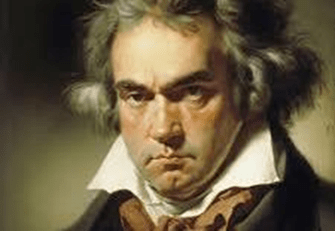
But he was also burdened with despair at his advancing deafness, which he had tried for years to ignore. Everything got too much for him. He took himself off to the village of Heiligenstadt, where he wrote his last will and testament, his ‘condition so sensitive that a sudden change of mood could plunge me from happiness into despair’.
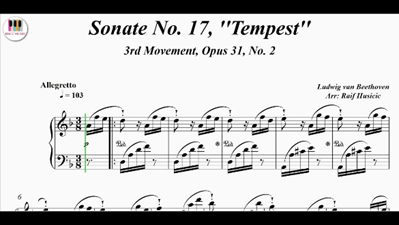
Beethoven channelled this feeling of his life spiralling out of control into the finale of his D Minor Piano Concerto – The Tempest. [Click to listen, and be sure to watch Valentina Lisitsa’s hands!] Its background of driving demonic energy was inspired by a horse galloping recklessly past his open window. We hear the horse and rider, relentless and obsessive, spreading fear and alarm with a churning intensity like some unstoppable machinery of fate.
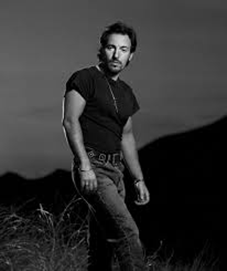
Springsteen went through much the same experience to Beethoven at the same age, when he was also establishing himself as a major star. It is as if they were twins, born 179 years apart. He describes his emotions as being out of control, an ecological disaster, an oil spill despoiling the landscape, ‘its black sludge … threatening to smother every last living part of me’.
Springsteen expresses his sense of chaos and dread in his classic hit Born to Run. [Click to listen] Here we find the same relentless unstoppable, disturbing energy as in Beethoven’s Tempest. He’s riding ‘suicide machines’ on ‘highways jammed with broken heroes’ through a ‘town that rips the bones from your back; it’s a death trap, it’s a suicide rap’.
For Springsteen, the causes are as much political as personal. He links his dread to growing up as ‘a child of Vietnam-era America, of the Kennedy, King and Malcolm X assassinations’, which left him with ‘the sense that things might not work out, that the moral high ground had been swept out from underneath us, that the dream we had of ourselves had somehow been tainted and the future would forever be uninsured’.
But for both musicians, this uncontrollable chaos was not permanent. By expressing it in their music they began to work through it. They went on to transform their own lives (and the lives of countless listeners including me) with even more astonishing achievements[1].
And so can you….
[1] If you would like to find out more about their remarkable similarities, have a look at Beethoven, Springsteen and the Music of Despair

