If you’ve chosen this page, it suggests that life is very bleak for you right now. Please do look for help, whether from a trusted friend or a health professional. And if you are in the UK, you can always call the Samaritans for free on 116 123.
I can also offer you ways forward, with the help of Leo Tolstoy’s epic novel Anna Karenina, Gerard Manley Hopkins’ sonnet Carrion Comfort, and David Bowie’s Rock ‘n’ Roll Suicide.
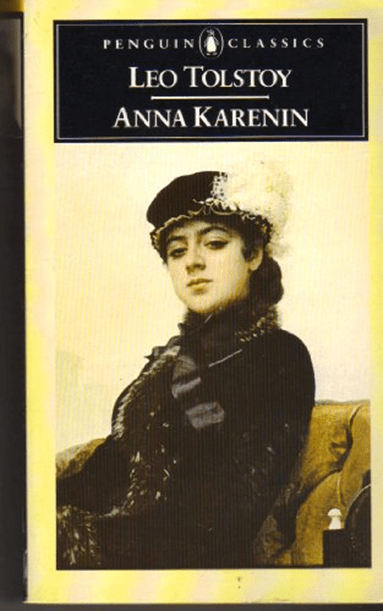
Chapter 31 of Part 7 of Tolstoy’s masterpiece describes Anna’s tragic suicide beneath a freight train. You can watch Keira Knightley’s interpretation here. For me this is the most compelling and authentic literary example of what Al Alvarez describes as the ‘shabby, confused, agonised crisis which is the common reality of suicide’. The last few chapters of Part 7 are essential reading for anyone wishing to understand the experience of another human being in deepest distress.
My understanding is that Anna’s death was not inevitable. Just because it did happen, it does not follow that it had to happen. For me as a clinician, and as a human being, Tolstoy’s message here is critical: even in the most desperate of circumstances, even if we are convinced that the whole world is against us, until that very last moment when the train actually rolls over us, the possibility of hope remains.
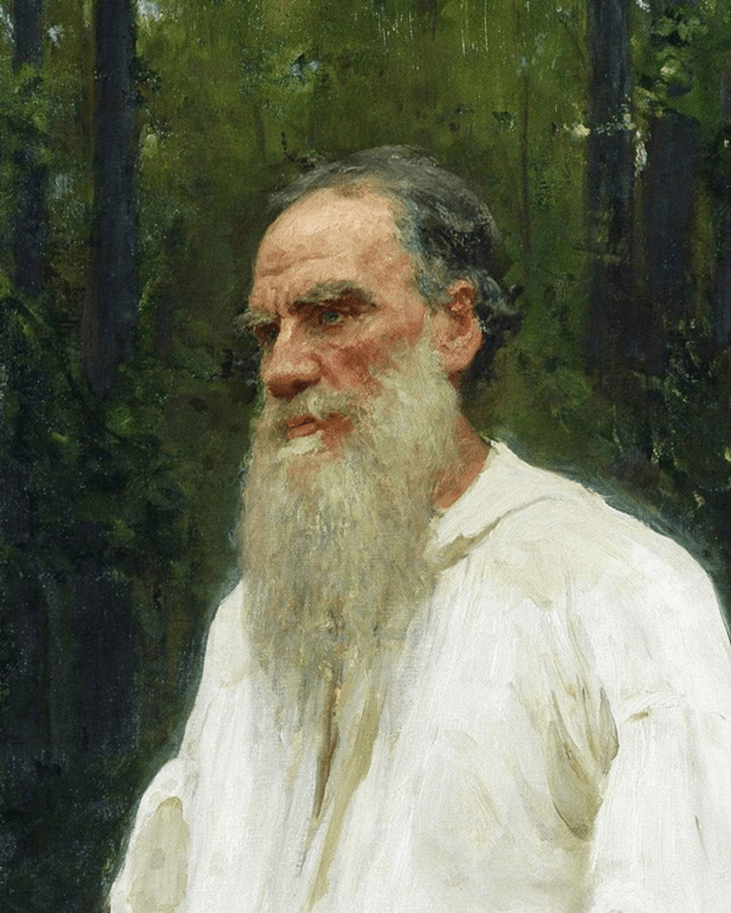
And importantly, Tolstoy does not end the story here. In the final section of the novel, we find Levin, Tolstoy’s alter ego, also wrestling with thoughts of suicide. But, unlike Anna, ‘he did not hang or shoot himself and went on living’. There are two reasons for this. The first is his focus on doing rather than thinking. He finds he is able to work through his suicidal impulses by active, wholehearted engagement in his customary pursuits, including strenuous physical activity. (There is lots of scientific evidence to support this approach). The second is an emergent understanding that seeking to do good in the world, i.e. helping other people, can give us meaning, overcome our despair and give us reason to stay alive.
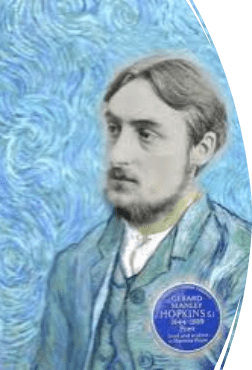
If you have been reading through other pages you may remember that I first discovered the poet Gerard Manley Hopkins many years ago, when I was feeling overwhelmed by life. I am coming back for his help now, as he confronts the question of suicide head on. In his sonnet ‘Carrion Comfort’,he wonders if he should succumb to his overwhelming despair, when all habitual support has disappeared, when suicide is a very real and highly attractive option. His answer is a defiant, magnificent, multiply repeated ‘not’.
Not, I’ll not, carrion comfort, Despair, not feast on thee;
Not untwist — slack they may be — these last strands of man
In me ór, most weary, cry I can no more. I can;
Can something, hope, wish day come, not choose not to be.
You can listen to the full sonnet here
For me, these six ‘nots’ get right to the heart of the dilemma of existence and provide the most powerful possible response. Hopkins is treating his despair with the utmost seriousness, even giving it its own persona. But he is not going to wallow in it or be defeated by it. He is not going to let anyone, or anything feast on his rotting remains (carrion). He is not going to allow these last strands of man to be unwound. Unlike Hamlet’s indecisive‘to be or not to be’, unlike Keats ‘half in love with easeful Death’in ‘Ode to a Nightingale’, Hopkins gives us his emphatic double negative: he can ‘not choose not to be’. Hopkins can. He can stay alive. He can hope. Hopkins’ refusal to surrender is not a cry of desperation, but an act of defiance. He is determined to keep going, come what may.[1]
And then remember, please remember that David Bowie is correct. You are not alone [click to listen]
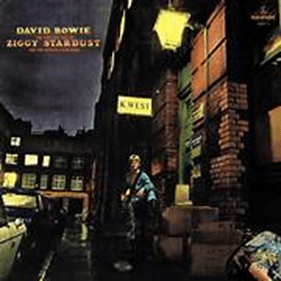
You’re watching yourself but you’re too unfair.
You got your head all tangled up
But if I could only make you care.
Oh no love! You’re not alone.
No matter what or who you’ve been
No matter when or where you’ve seen
All the knives seem to lacerate your brain.
I’ve had my share, so I’ll help you with the pain,
You’re not alone.
There is always – always – someone you can reach out to.
[1] If you want to know more about these writers, have a look at my book Reading to Stay Alive: Tolstoy, Hopkins and the Dilemma of Existence.

