Joni Mitchell composed River [click to listen] after her break-up with Graham Nash. They’d been living together for two years between 1968 and 1970. She found his expectations of her domestic role, and his increasing drug use too hard to handle. She decided she had to break away and toured Europe for a while, putting together the songs for her album Blue. However, she was left with feelings of guilt which pour into this song with its emotional image of skating away on a frozen river.
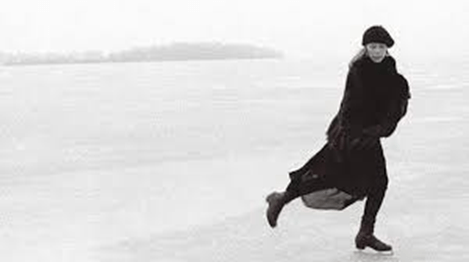
I wish I had a river
I could skate away on
I wish I had a river so long
I would teach my feet to fly
Oh, I wish I had a river
I could skate away on
I made my baby cry.
My patient Ben, the solicitor living unhappily in a controlling relationship, finally finds the courage to “open his cage” and leave. He now feels safe and free, for the first time in decades, able to make his own decisions about the next steps in his life. He knows leaving was the right choice for him. And yet, like Joni Mitchell, he carries a sense of guilt for the distress his departure has caused his partner.

Ben received valuable support from family and close friends. As well as Joni Mitchell, Ben also finds consolation in three other creative interventions to do with grace and forgiveness.
The first is from Nick Cave in his book Faith, Hope and Carnage, which encourages him that he is still doing what he can to make the world a better place:
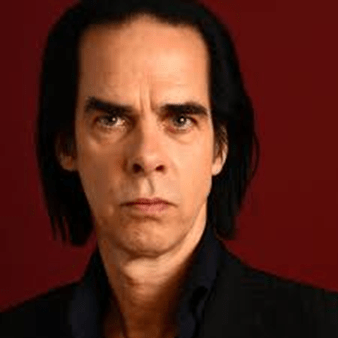
“ Anyone who says they don’t have any regrets is simply living an unconsidered life. Not only that, but by doing so they are denying themselves the obvious benefits of self-forgiveness. Though, of course, the hardest thing of all is to forgive oneself… One sure path to self-forgiveness is to arrive at a place where you can see that your day-to-day actions are making the world a measurably better place, rather than a worse place — that is pretty simple stuff, available to all — and to arrive at this place with a certain amount of humility.”
The second is the character of Jack, in Marilynne Robinson’s Gilead series.

Jack lives in a permanent state of guilt. He is a thief and a drunk with ‘an old compulsion to do damage as chance offered.’ But he meets and falls in love with Della. Although he is poor and untrustworthy, Della sees an essence in him for which she will risk everything. She tells him
“Once in a lifetime, maybe, you look at a stranger and you see a soul, a glorious presence out of place in the world. And if you love God, every choice is made for you. There is no turning away. You’ve seen the mystery – you’ve seen what life is about.”
For Ben, now embarking a new relationship of his own, this sense of grace, of being accepted just as he is, is awe-inspiring.
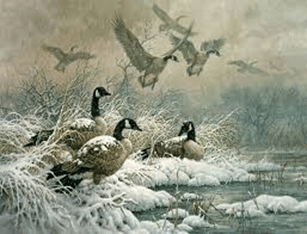
And the third is the poem Wild Geese [click to listen] by Mary Oliver, which reminds Ben that he does not have to make excessive penance to find his place in the world.

You do not have to be good.
You do not have to walk on your knees
For a hundred miles through the desert, repenting.
You only have to let the soft animal of your body
love what it loves.
Tell me about despair, yours, and I will tell you mine.
Meanwhile the world goes on.
Meanwhile the sun and the clear pebbles of the rain
are moving across the landscapes,
over the prairies and the deep trees,
the mountains and the rivers.
Meanwhile the wild geese, high in the clean blue air,
are heading home again.
Whoever you are, no matter how lonely,
the world offers itself to your imagination,
calls to you like the wild geese, harsh and exciting —
over and over announcing your place
in the family of things.